The High School to Postsecondary Collaborative (2022–2025)
Transforming schools with the power of student voice and data.
Someone who is STEM-literate understands how STEM thinking and innovation can help make their community—and the world—a better place.
STEM literacy isn’t just about mastering science, technology, engineering, or math—it’s about cultivating innate abilities that encourage discovery and support personal growth. We’re talking about essential, durable skills like problem-solving, collaboration, computational thinking, and creative processing.
Students who graduate STEM-literate aren't just ready for today's in-demand jobs—they're equipped to thrive amid rapid technological change and shifting workforce needs.
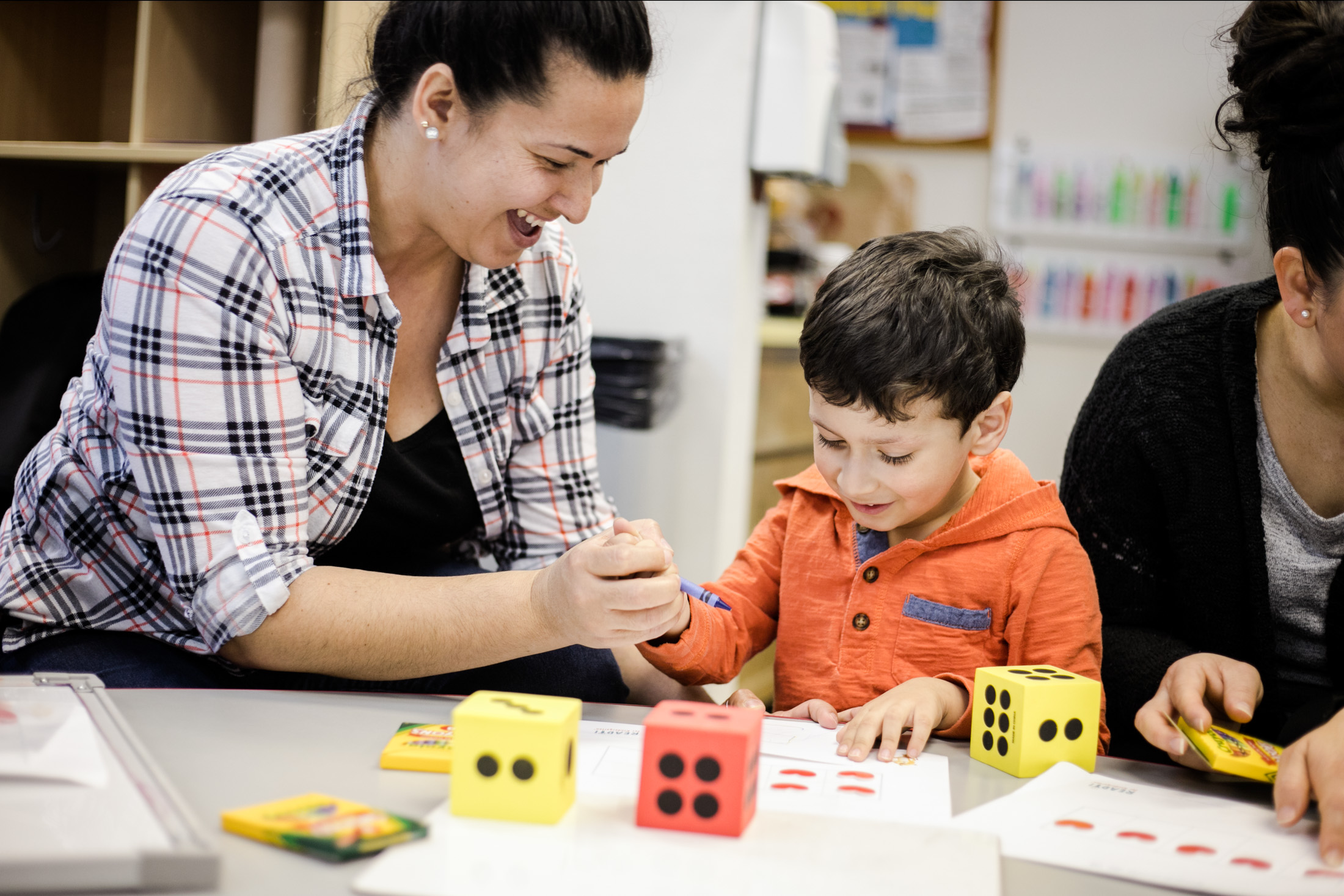
Washington ranks 3rd least affordable in the U.S. for infant care in family child care programs.
Early learning happens in the home, in community, and for many children, in childcare settings. Right now, just 22.7%. of children five and under receive early learning services. (DCYF)
We're working to strengthen Washington’s early learning systems so that all young children have equitable access to high-quality care and early STEM experiences that set them up to thrive.
By cultivating an understanding of what it means to graduate “STEM literate” and aligning actions and policies across the education system, we can leverage collective efforts and resources to strategically invest in quality learning experiences that begin early and prepare students for their chosen pathway.
Message the team.jpg)
Math learning is strengthened through its natural integration with science and other subjects.
We know that when students experience a supportive, informed transition from high school to what comes next, they're empowered with the knowledge, skills, and sense of belonging needed to succeed in their chosen fields.
Message the team.jpg)
In 2021, Black, Latinx, and Native Americans or Alaskan Natives made up 31% of the population, but only 24% of the STEM workforce.

This is ambitious work, and we can’t do it alone. Learn more about how you can support us here.
Stories, case studies, and resources highlighting the work of Washington STEM and our partners.
.jpg)